EN
EN  DE
DE 

Your First Triathlon - A Comprehensive Guide for Beginners
The decision has been made: this year, your first triathlon will become reality.
For many people, this moment is accompanied by a mixture of excitement, respect, and uncertainty. Which distance is the right one? How intensely do you need to train? And how can training be balanced with everyday life, work, and family?
This article is specifically aimed at people planning their first triathlon or those who are still unsure where they stand in terms of performance. Whether you ultimately choose a sprint distance or an Olympic distance, the principles of getting started in triathlon are always similar.
1. Getting Started in Triathlon
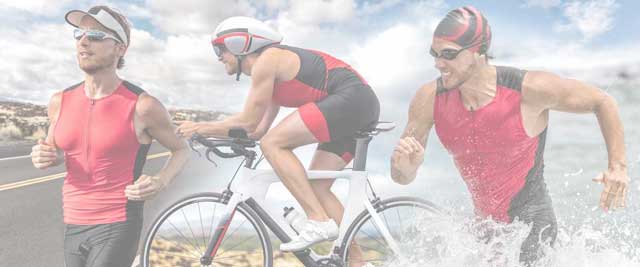
If you are interested in triathlon and are just getting started, you are in the right place. As a beginner, you should first gain an overview of the different race distances. Triathlon consists of only three disciplines: swimming, cycling, and running. However, the sport is far more complex and requires more than simply mastering each discipline individually. There are races for every performance level, ranging from sprint triathlons to Ironman events. If you are wondering how to train effectively, this article will provide valuable tips for starting your triathlon journey. A well-structured training plan and the right equipment for each discipline are essential.
If swimming is a challenge for you, you should train regularly and work specifically on your technique. In cycling, the correct position on the bike is crucial, and in running there are also several techniques that can help you become faster. A combination of endurance and strength training is especially important in triathlon preparation. However, physical fitness alone is not enough — mental strength is equally important for a successful race. And do not forget: your nutrition also has a significant impact on your performance during both training and competition.
1.1. Choosing the Right Distance
For beginners, sprint and Olympic distances are usually the most sensible choices. They provide an athletic challenge without overwhelming the body in everyday life. What matters most is not the exact distance, but your mindset:
Your first triathlon is not a performance test — it is a learning and experience-building process. Starting with overly ambitious expectations can lead to overload, frustration, or injury. A realistic approach, however, creates the foundation for long-term enjoyment of the sport.
2. Consistency as the Foundation of Preparation
Especially in the beginning, consistency is more important than training volume. The goal is not to train as many hours as possible, but to develop a stable and sustainable routine. Two to four well-structured training sessions per week are completely sufficient for many beginners. It is also important to remember that training consists of more than just exercise time itself. Travel time, preparation, recovery, and post-training organization are all part of the process and should be realistically integrated into your schedule.
2.1 Time Management: The Invisible Training Factor
Triathlon is always also a matter of time management.
While you are training, you cannot focus on other responsibilities — that time is unavailable elsewhere. This makes it even more important to consciously create space for training.
Planned rest days serve a dual purpose:
- They allow the body to recover properly
- They create space for family, work, and daily life
A well-structured training plan considers not only stress, but also recovery.
2.2. Training harmonizing with Everyday Life
One often underestimated aspect is adapting training to daily stress levels.
After a long workday, insufficient sleep, or poor nutrition, an intense interval session may lose its effectiveness or even become counterproductive.
The best training session is not the hardest one, but the one that makes sense for your current situation. Learning to adapt flexibly allows you to train more sustainably and effectively.
2.3. Fixed Training Times and Flexible Alternatives
A proven strategy for long-term consistency is scheduling fixed training times in your calendar — like appointments with yourself.
Your social environment also benefits from this clarity. When family and friends know, for example, that Thursday evening is swim training, reliability and understanding increase.
At the same time, every training plan should include buffer periods for:
- increased workload at work
- family commitments
- weather conditions
- organizational delays
A Plan B is essential. Shorter sessions, alternative workouts, or schedule adjustments help maintain consistency.
2.4. Find a Training Plan
Getting started in triathlon can be a major challenge for beginners. However, with the right training and preparation, completing the distance is absolutely achievable.
The first step should be finding a training plan that matches your current level. If you have never completed a triathlon before, starting with a sprint triathlon is highly recommended. A good training plan will provide guidance and strategies to improve your swimming, cycling, and running performance, while also teaching you how to combine the disciplines effectively. Depending on how much time you have available each week, you may train between three and six times weekly.
Training should remain varied: swimming sessions in the pool or open water should alternate with cycling and running workouts. Strength training should also not be neglected — stronger muscles help prevent injuries and improve overall performance. With an individualized training plan, you will be well prepared for your triathlon journey and can gradually work toward your first race, whether it is a sprint or Olympic-distance event.
2.4. Goal Setting: Realistic, Measurable, Motivating
Many beginners set unrealistic goals at the start. Completing a sprint triathlon in under one hour is not a meaningful benchmark for most newcomers.
Instead, it is recommended to:
- define smaller intermediate goals
- make progress measurable
- plan in training blocks of two to three weeks
These manageable timeframes create structure, motivation, and a sense of control.
|
Triathlon Races in the Long Island Region The company brings wellness-oriented, active families to venues throughout the Long Island region. |

3.0. The individual sports
3.1. Swimming as a Challenge
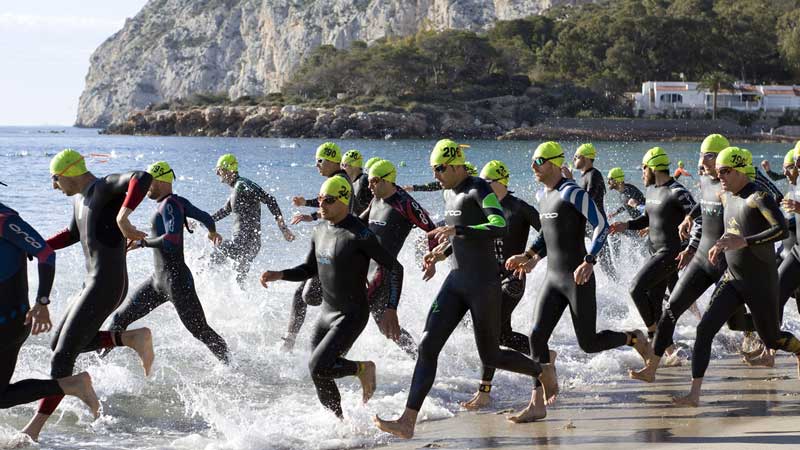
For many triathlon beginners, swimming is the most difficult discipline.
Especially at the beginning, many athletes struggle with technique and endurance. But do not worry — with proper training and a few useful tips, swimming can become your favorite discipline.
Before jumping into the water, make sure your equipment is suitable. Good goggles and proper swimwear are essential. A wetsuit can also be extremely beneficial in colder water temperatures.
In training, gradually build up your distance instead of trying to swim the full race distance nonstop on your first day. Aim for two to three swimming sessions per week and continuously work on both technique and endurance.
If you still feel unsure, consider taking a swim course or working with a swimming or triathlon coach who can help you achieve your goals. With patience and consistency, you will soon notice progress in the water — and nothing will stand in the way of a successful race.
3.2. Getting Started with Cycling
For many beginners, cycling is the most enjoyable discipline. Nevertheless, there are several important factors to consider for a successful start. First, make sure your bike is suitable for racing. You do not need an expensive high-end road bike, but it should be in good condition and equipped with reliable gears. As a beginner, avoid overloading yourself and increase your training gradually. Train two to three times per week and slowly increase both distance and speed. You will find many useful cycling tips in our training resources — make use of them. Another valuable option is attending a triathlon training camp or beginner triathlon school. These environments provide professional guidance, structured training, and advice from experienced athletes and coaches. If you follow these recommendations, you will soon feel confident on your bike and ready to compete in your first triathlon.
3.3. How to Improve Your Running
Running is one of the three disciplines in triathlon and presents a challenge for many beginners. But with the right training and a few helpful strategies, you will improve quickly.
As a beginner, gradually build up your running distance instead of immediately trying to complete marathon-level efforts. A solid running plan should initially include at least two runs per week to improve endurance and reduce injury risk. Cycling and swimming training can also positively influence your running performance. Pay close attention to your equipment — the right running shoes can make a huge difference and help prevent injuries. If you still feel uncertain, many triathlon clubs offer beginner running groups or online coaching programs. During competition, the key is to find your own pace and avoid being pressured by other participants. Mental strength helps increase performance and allows you to persevere even under difficult conditions.
3.4. Brick Training – A Key Triathlon Skill
If you want to enter the world of triathlon, you should be prepared for a unique challenge. You are not mastering just one sport, but three: swimming, cycling, and running. For beginners, this combination often feels unfamiliar and surprisingly demanding. The muscular transition from cycling to running is especially challenging. Even experienced runners find this transition difficult if it has not been specifically trained.
But with the right training and guidance, you too can become a successful triathlete. One of the most important aspects is combining the disciplines. Unlike most sports, triathlon requires you to perform all three disciplines consecutively. That is why you should practice transitions from swimming to cycling and from cycling to running from the very beginning. Efficient transitions can save valuable time during competition.
Ideally, you should integrate transition training into your weekly routine early on and practice fast changes between disciplines at least once per week. And who knows — perhaps one day you will even compete in an Ironman. During the final 10–12 weeks before your race, so-called “brick sessions” should become a fixed part of your training plan. In these sessions, a cycling workout is immediately followed by a run. Brick training is essential for maintaining stability and control during the run portion of the race.
4. Self-Confidence as a Product of Training
Race-day performance does not happen by accident. It is the result of consistent preparation, routines, and growing self-confidence. This confidence develops in training when workloads are gradually increased and successfully mastered. If you learn to push your limits in training, you will be able to make confident decisions about your race ambitions.
4.1. Mental Preparation and Race Visualization
When you begin triathlon training, you face three demanding disciplines. Especially for beginners, this can feel overwhelming. However, with the right guidance and training, you can develop confidence and mental resilience and successfully participate in races. At a certain level, a structured training plan becomes essential for training effectively and reaching your goals. By combining endurance training, strength training, and mental preparation, you will become ready for your first triathlon. If you still feel uncertain, there are many helpful resources available, including training plans and coaching advice.
The most important factors, however, are motivation and perseverance. If you train consistently week after week and allow your body enough recovery time, you will soon be proud of your progress. In the final phase before competition, the mental aspect becomes increasingly important. Visualizing the race — from the start to the transition zones and the finish line — helps create confidence and familiarity. Nervousness is completely normal. It is not a problem, but a sign that the event matters to you. Athletes who learn to manage this stress have a significant advantage on race day.
4.2. Nutrition, Sleep, and Recovery as Performance Drivers
A balanced diet forms the foundation of all physical adaptation. This includes:
- sufficient energy intake
- vitamins and minerals
- regular hydration
Sleep is equally important. The body’s most important adaptation processes occur during recovery — not during training itself.
Especially in cycling and running, carbohydrate intake becomes essential due to the duration of the sessions. And remember: what you eat affects not only your training performance, but also your race-day results and your recovery afterward. That is why you should establish a nutrition strategy early on — whether you are preparing for a sprint triathlon or a longer-distance event. Race nutrition should also be tested during training. A simple rule applies on race day: Never try anything new.
|
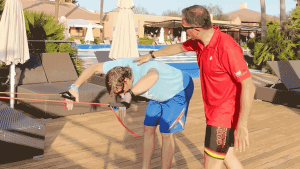
Triathlon Coaching - individual and highly effective! 
|
5. Equipment: Confidence Through Familiarity
For every triathlete, the right equipment is important. Especially for beginners, choosing the appropriate gear can be difficult. There are specialized products for every requirement that can support you during training and racing. However, during your first triathlon, perfect equipment should not be your primary focus. What matters most is becoming comfortable and confident with your gear. Whether you ride a simple road bike or specialized race equipment, it should be used and tested well before competition.
If you plan to race in a wetsuit, you should definitely practice in open water beforehand. Lakes and the ocean feel very different from a swimming pool — both physically and mentally. Seeking professional advice early in the process is also highly recommended. Your preparation should also include basic technical skills, such as fixing a flat tire.
6. Race Rules, Organization, and Safety
Triathlon is a community sport.
To ensure that all athletes reach the finish safely and fairly, clear race rules apply — especially during the cycling portion.
Plan enough time for:
- collecting your race packet
- familiarizing yourself with the race venue
- preparing your transition area
Good organization reduces stress and creates mental freedom for the competition itself.
7. The Right Time to Start
If you are interested in getting into triathlon, take the time to prepare properly for your first race. There are many tips and strategies that can help improve your swimming, cycling, and running performance while preparing you specifically for your chosen distance. As a beginner, you should not start immediately with Ironman-level training. Instead, gradually increase your training and improve week by week.
You can find many beginner-friendly training plans online or through local triathlon clubs. Timing is crucial: do not wait too long to begin your training program — but do not rush into high training loads either.
With the right preparation, you will soon be ready to complete your first triathlon. So get started — swimming, cycling, and running await you!
8. The Most Important Thing: Enjoy the Process
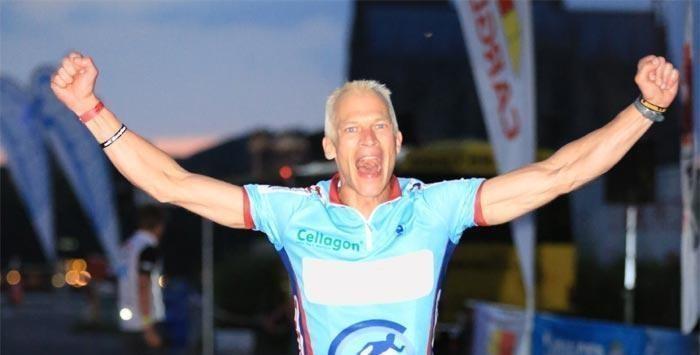
Despite all the planning, structure, and goals, one thing should never be lost: the joy of the sport. Your first triathlon is a milestone — regardless of your finish time or placement. It is better to start controlled and consciously than overly motivated — and better to cross the finish line with joy than with frustration. Because that is what triathlon is truly about:
Experiencing, learning, and having fun.
Other people also ask:
What’s the best way to get started with triathlon?
Triathlon is a demanding endurance sport that consists of swimming, cycling, and running. If you want to start in a triathlon, there are a few important steps you should keep in mind. First, you should assess your fitness level and your skills in the three disciplines. If you’re still struggling in one area, you should focus specifically on it and improve step by step. Next, you’ll need the right equipment. A wetsuit, a good bike, proper cycling shoes, and running shoes are all part of the basic gear. A structured training routine is just as important. Your training plan should combine all three sports in a balanced way. A coach or mentor who supports you in your preparation can also be helpful. Furthermore, you should gain your first competitive experience as early as possible. It’s best to start with shorter distances and gradually increase them. It’s also a good idea to join a triathlon community or team and network with other triathletes. Overall, getting started in triathlon requires a lot of dedication and discipline. However, if you train consistently and stick with it, you can make great progress and benefit from this versatile sport in the long run.
Which discipline comes first in a triathlon?
The first discipline in a triathlon is swimming. You usually start alongside many other athletes—either in open water or, less commonly, in a swimming pool. You must complete a set course, the length of which varies depending on the competition.
After the swim, you switch to your bike in the transition area. This is followed by the final discipline, the run. Immediately after cycling, you complete the running course before finally crossing the finish line.
In a triathlon, it’s not just about being in good physical shape, but also about making quick transitions between the individual disciplines. That’s why many athletes specifically train the transitions from swimming to cycling and from cycling to running to save valuable seconds.
Overall, triathlon is very demanding, requiring endurance, mental strength, and stamina. However, if you take on this challenge, an unforgettable experience awaits you.
When Should You Start Triathlon?
You can start in a triathlon at any age, as long as you’re physically fit enough. There’s no perfect time and no set age limit.
Some triathletes start at a young age and develop their skills over many years. Others discover the sport later in life—for example, after trying other sports or simply out of a desire to take on a new challenge.
However, you mustprepare well. It’s advisable to speak with an experienced coach and work together to create a personalized training plan. This should be tailored to your personal goals and your current fitness level.
You should also have basic equipment, such as a suitable bike and a wetsuit for open-water swimming, as well as regular running shoes.
Since there are different race distances—from the sprint triathlon to the Olympic distance to the Ironman—as a beginner, you should start with a shorter distance and gradually increase your distance. As your skill level and experience grow, your equipment will adapt to your needs.
Ultimately, the right time to get started depends on your personal goals and circumstances. If you’re ready to train regularly and keep improving, you can be successful in triathlon at any age.
How long do you need to train for a triathlon?
There’s no set duration for triathlon training. How long you should train depends on various factors—such as your current fitness level, your experience, and your personal goal.
Generally, you should plan on about three to six months for effective training. During this time, you should train all three disciplines—swimming, cycling, and running—regularly to build a solid foundation of fitness.
Your training should always be tailored to your individual needs. If you have ambitious goals, such as eventually participating in an Ironman, you should train intensively and in a structured manner for at least two years. It’s not just the training sessions that are important, but also sufficient rest and recovery periods.
For beginners, a training period of eight to twelve weeks is often suitable, with the goal of completing a sprint triathlon. This allows you to improve step by step and gain your first competitive experience.
As a general rule: the more time and consistency you invest in your training, the greater your progress will be. A good mix of endurance, strength, technique, and recovery training is crucial.